What Makes a House a Good Investment in Utah?

Investing is a different game than buying a home to live in, and it comes with its own set of criteria. Here's what we look at when we're evaluating investment potential for clients.

Where We Start
Location and good bones. Everything else can usually be improved or adjusted over time, but those two things are much harder to fix after the fact.
Where the Value Is Right Now
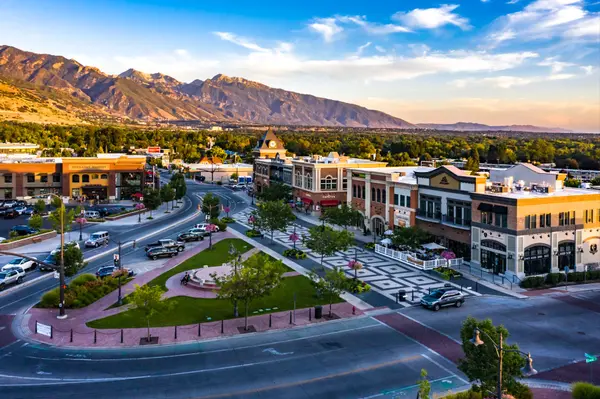
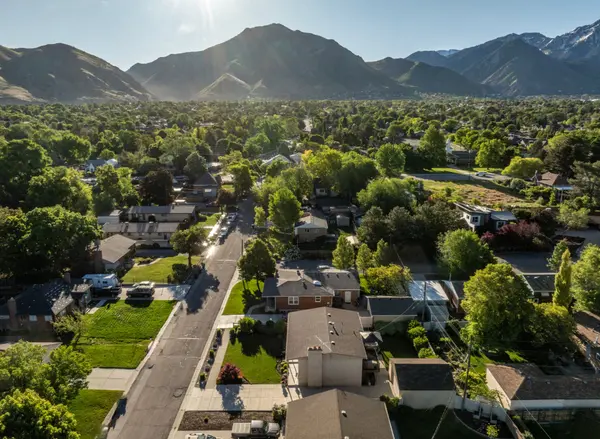
We like the East Bench right now for the combination of price and appreciation potential.
Rental Demand vs. Long-Term Appreciation
Both matter, and which matters more depends on how long you plan to hold the property. If you're thinking short term, rental demand carries more weight. If you're playing the long game, appreciation potential deserves more of your attention.
The Red Flags Most Buyers Wouldn't Notice
There are factors that don't deter an owner-occupant but can wreck an investor's rate of return. Roof age, aging HVAC systems, galvanized or polybutylene plumbing, HOA rental restrictions or outright rental caps, homes in flood or wildfire zones with rising insurance costs, and neighborhoods with a high concentration of short-term rentals that could face future regulation. These are the factors an investor needs to consider that a typical homebuyer might just walk past.
A Realistic Return Benchmark
Investors should be looking for around a 5% cap rate as a benchmark.
Where We'd Point Investors Right Now
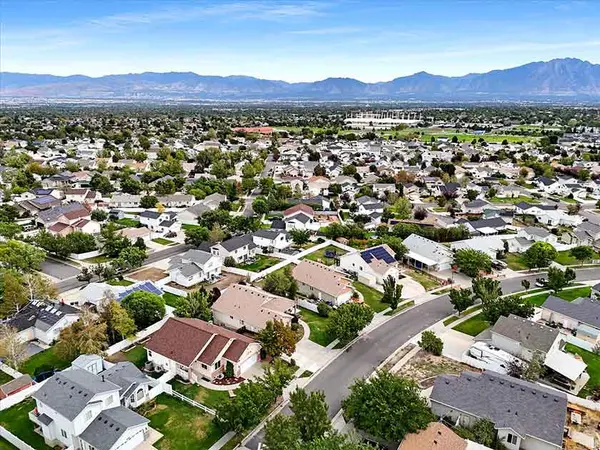
Single-family homes and townhomes in the south end of the valley. They'll face less competition than the multi-family properties concentrated downtown, and the fundamentals in this part of the valley are solid.
The Bottom Line
Good investment properties here come down to location, condition, and realistic expectations about returns. Reach out, and we'll help you evaluate whether a specific property actually makes financial sense.
Recent Posts